
Knee Replacement Surgery Durban
The complete guide
Surgical approaches to knee replacement
When considering knee surgery, there are several options available depending on the stage of arthritis and the condition of your knee joint. Each option can be tailored to meet individual needs based on factors like the extent of damage, alignment issues, and overall joint health
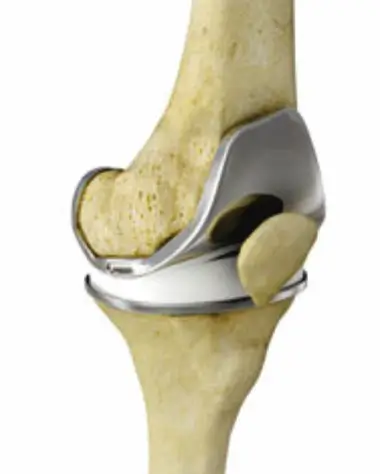
Total knee replacements (Arthroplasty)
Total knee replacement (arthroplasty) is a surgical procedure in which damaged cartilage and bone at the ends of the femur and tibia are removed and replaced with precision-engineered metal and plastic implants. These components recreate a smooth, functioning joint surface. Total knee replacement remains the gold standard treatment for end-stage knee osteoarthritis
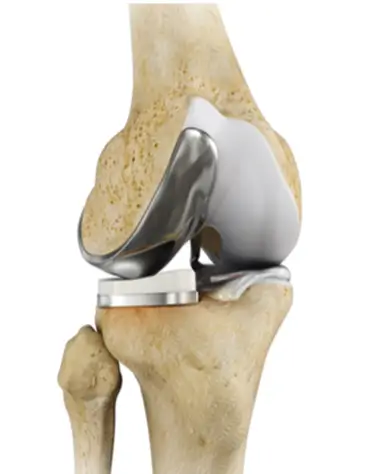
Partial knee replacement
In cases where only one part of the knee is affected, Partial Knee Replacement (Unicompartmental Arthroplasty) may be recommended. This approach preserves more of the natural knee by only replacing the damaged compartment, often resulting in a faster recovery and more natural movement.
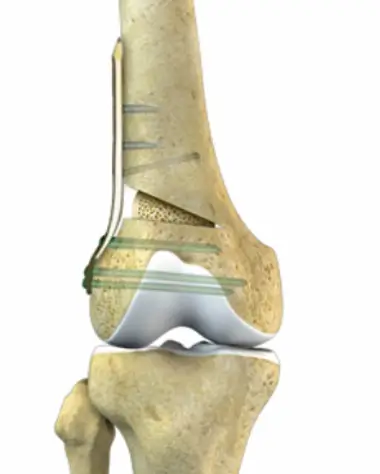
Knee Osteotomy (Tibial or Femoral Osteotomy)
Suitable for patients that have experienced wear and tear on one side of their knee joint and have poor knee alignment. A piece of natural bone or artificial bone material is either removed or added to shift pressure onto the good side of the knee reducing pressure on the bad side.
Knee Replacement Components
A total knee replacement is made up of essentially three components. The first is the femoral component or femoral cap. The second is the tibial component or base plate which fits into the tibia. And the third is the polyethylene liner which fits onto the top of the tibial base plate.
Preparation before surgery
These are general lifestyle and health checks required as soon as you have decided to go for surgery
You have decided to go ahead with surgery, preparation will require some lifestyle changes which will:
- Reduce your risk of complications
- Improve long-term health
- Prevent serious illness while you recover
This will involve blood tests and medical clearance.
Smokers: Stop smoking to reduce complications
and improve long-term health.
Maintain a healthy weight to lower the risk of
complications.
Engage in regular exercise after consulting the
healthcare team or your GP.
Report any suspicious skin lesions or possible infections.
Control blood sugar levels if diabetic.
Medication & Supplement Disclosure
Your healthcare team will need to know off all the chronic and medication
- Blood-thinning medication
- Herbal and complementary remedies
- Dietary supplements
- Over the counter medication.
If you are female
The healthcare team may do a pregnancy test as
some procedures involve x-rays or medications that can be harmful to unborn babies. Sometimes the test does not show an early-stage pregnancy so let the healthcare team know if you could be pregnant.
Prepare your home for after surgery
Arrange furniture strategically for improved mobility
Remove potential tripping hazards such as throw rugs, wires, and unsupportive furniture.
Stay mindful of uneven floors and steps.
Choose chairs with arms and high, firm seats for better support.
Keep frequently used items within easy reach.
Ensure comfortable, easy-to-remove clothing
Use nonslip strips in the bath or shower.
install a raised toilet seat.
Consider confining pets to specific areas to minimize the risk of falls.
Use a carry-along bag for walker or crutches.
Knee Replacement Procedure
Pre-Surgery Process
1. Consultation and Imaging
Schedule a consultation with Dr. MA Manjra. Complete required X-rays.
2. Pre-Surgery Tests and Clearance
Complete blood tests and obtain medical clearance from the anaesthetist.
3. Decision Making
Decide to proceed with the surgery.
4. Family Meeting
Arrange a meeting with family to address any
concerns about the surgery if required.
5. Authorization and Quotes
Obtain authorization from your medical aid or request a quote if you are a private patient.
Be aware that medical aid plans may require
additional reports or motivations, potentially delaying the surgery.
6. Surgery Date Confirmation
Confirm the scheduled date for the surgery.
7. Medication Instructions
Confirm when to stop taking blood-thinning
medications (e.g., Aspirin, Ecotrin, Warfarin, Plavix). Note: Failure to stop these medications in time may result in the surgery being postponed.
8. Fasting Instructions
- Fast (no food) for 6 hours prior to surgery.
- You may drink clear liquids (tea or coffee without milk, clear apple juice) up to 2.5 hours before surgery.
The Day Of Knee Replacement Surgery
After Admission
Checks will be performed to ensure the correct
operation on the right side
Confirm your name and procedure with the
surgeon.
Keep warm around the time of operation,
informing the healthcare team if you feel cold.
If you are female the healthcare team may do a
pregnancy test
Anaesthetist
Your anaesthetist will discuss anesthesia for before and after surgery
The Operation
You may be given antibiotics during the
operation to reduce the risk of infection.
The operation usually takes 60 to 90 minutes
Knee Replacement Surgical Procedure
Prepare the bone
- Dr Manjra will remove the
damaged cartilage surfaces at the ends of the femur and tibia, along with a small amount of underlying bone. - Position the metal implants: He then replaces the removed cartilage and bone with metal components that re-create the surface of the joint. These metal parts may be cemented or "press-fit" into the bone.
- Resurface the patella if required: The surgeon cuts the undersurface of the patella (kneecap) and resurfaces it with a plastic button. Some surgeons do not resurface the patella, depending upon the case.
- Insert a spacer. Dr Manjra will insert a medical-grade plastic spacer between the metal components to create a smooth gliding surface.
Recovery after surgery
In Hospital
After Opperation
After the operation you will be transferred to the recovery area and then to the ward.
X-Ray
You will usually have an x-ray to check the position of your knee replacement.
Pain Managment
Good pain relief is important to help you to recover. If you are in pain, let the healthcare team know.
Wound Care
The healthcare team will tell you if you need to have any stitches or clips removed, or dressings changed.
Bathing
Keep your wound dry for 4 to 5 days, and use a waterproof dressing when you have a bath or shower.
Medication
The health care team will give you medication to control the pain and it is important that you take it as you are told so you can move about as advised.
Scarring
Scarring of your skin, although knee replacement wounds usually heal to a neat scar.
Swelling
It is common for your leg to be swollen after a knee replacement. It can take up to a year for the swelling to go down.

Physiotherapy in hospital
Getting out of bed and walking is an important part of your recovery.
The physiotherapist will help you to start walking using crutches or a walking frame, usually on the day of surgery or the next day.
Your surgeon or the physiotherapist will tell you how much weight you can put on your leg.
If you are worried about anything, in hospital or at home, contact the healthcare team. They should be able to reassure you or identify and treat any complications.
Returning to normal activities
To reduce the risk of a blood clot, make sure you
carefully follow the instructions of the
healthcare team if you have been given
medication or need to wear special stockings.
The healthcare team will tell you when you can
return to normal activities.
To reduce the risk of problems, it is important to look after your new knee as you are told.
You will need to use walking aids until you can
walk well without them.
Regular exercise should help you to return to
normal activities as soon as possible.
Do not drive a car or ride a bike until you can
control your vehicle, including in an emergency

Living with a Knee Replacement
- An artificial knee may never feel the same as
a normal knee. - A knee replacement can wear out with time.
This depends on your body weight, activity and care. Knee replacements are expected to last at least 15-20 years. - Excessive activity or weight may speed up this normal wear and may cause the knee replacement to loosen and become painful. Therefore, most surgeons advise against high-impact activities.
While most recover well with reduced pain and improved mobility, consider the following
What happens if I don’t have surgery?
Arthritis can be debilitating
While arthritis alone is not life- threatening, it can be debilitating and typically worsens over time. Simple tasks of daily living such as walking, putting on clothes, driving and intimacy will become too painful or impossible
Chronic use of pain medication
You will develop adverse side effects from chronic use of pain medication such as addiction, dependency, stomach ulcers, kidney and/or liver problem
Knee replacement surgery is Cardioprotective
Arthritis, heart disease and diabetes: knee replacement surgery is *cardioprotective (protects against premature death due to heart attack or stroke) Multiple large scale studies have shown a strong relationship between having hip and/or knee arthritis and your risk of getting a heart attack or stroke.